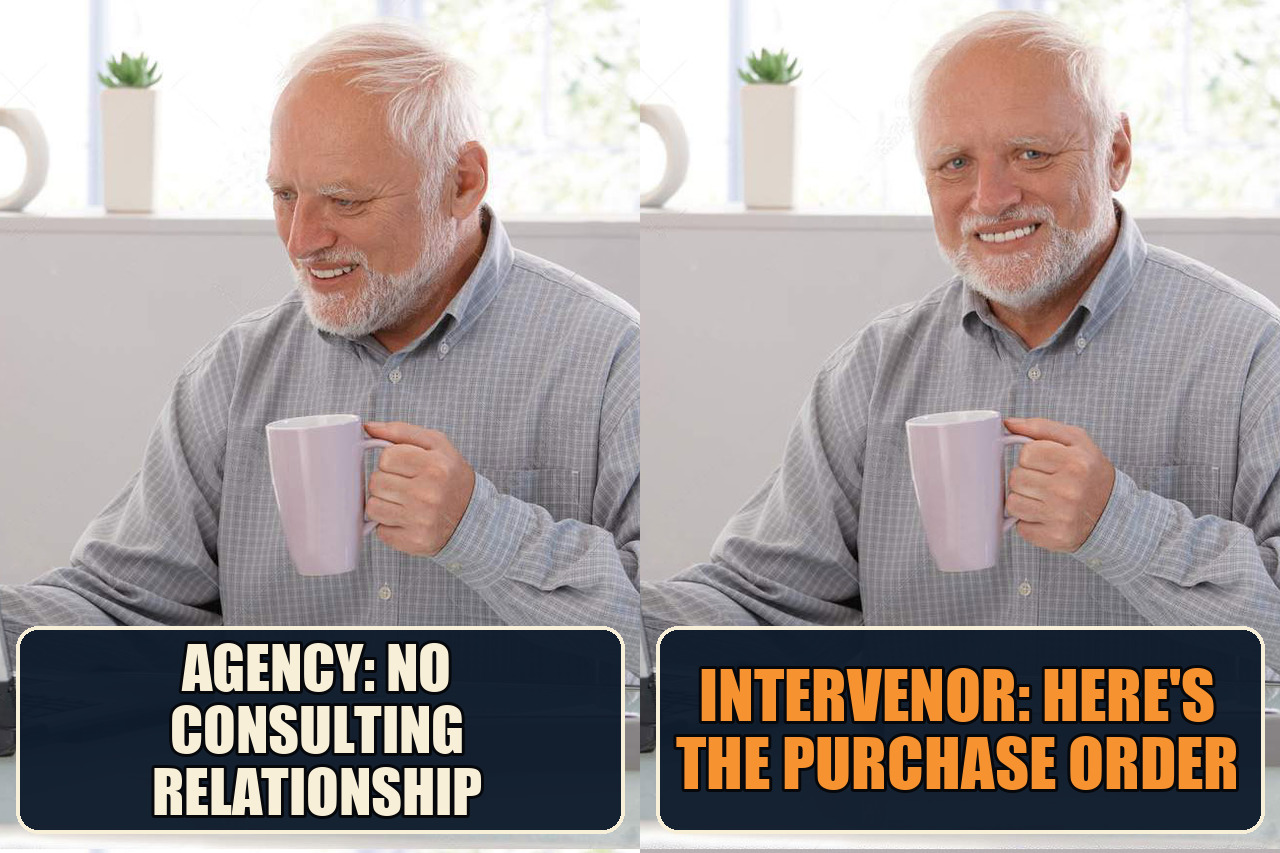
DOI's no-consulting inquiry missed the purchase order.
GAO granted Viderity's cost request after finding a clearly meritorious conflict allegation and delayed corrective action.
What happened
On September 1, GAO granted Viderity Inc.'s request for reimbursement of protest costs involving RFQ 140D0426Q0016, which the Department of the Interior issued for the Department of Health and Human Services' communications infrastructure support. GAO found that Viderity's evaluator-conflict allegation was clearly meritorious and that the agency unduly delayed corrective action.
DOI's May 21 agency report said the contracting officer had investigated and concluded that the evaluator had not been employed by or served as a consultant to the awardee. On May 27, DOI told GAO that this representation was inaccurate: the evaluator had entered into a May 1, 2025 purchase order with the awardee to provide subject-matter expertise and insights related to the recompete. DOI then proposed a new evaluation and source-selection decision.
Why CMCoE cares
A conflict inquiry has to test representations against available agreements, communications, and payment records, not merely collect a denial. When a reasonable inquiry would have exposed a clearly meritorious protest ground, corrective action taken only after the agency report can leave the agency responsible for the protester's filing and pursuit costs.
Regulatory fine print
GAO resolved a request for costs after corrective action; it did not make a new award decision. The meme compresses a multi-week record and uses 'agency' for DOI. The disclosed purchase order supported GAO's conclusion about the apparent-conflict allegation, but the meme does not accuse any private party of criminal conduct or decide the procurement's ultimate outcome.
Sources
- GAO - Viderity Inc.--Costs, B-424422.5 (U.S. Government Accountability Office, )