Daily acquisition brief // October 9, 2026

CMCoE Meme Intel: Approval to Skip Approval

A missing maximum price, an imaginary secret program, payment controls with an override, and excuses that travel back in time.

6 storiesRSS feed
From the acquisition files / Federal Reserve

Four years into construction, the Fed still had no agreed maximum price.

A September 29 audit found that the overall guaranteed maximum remained unsettled after more than $2 billion in construction packages had been awarded.
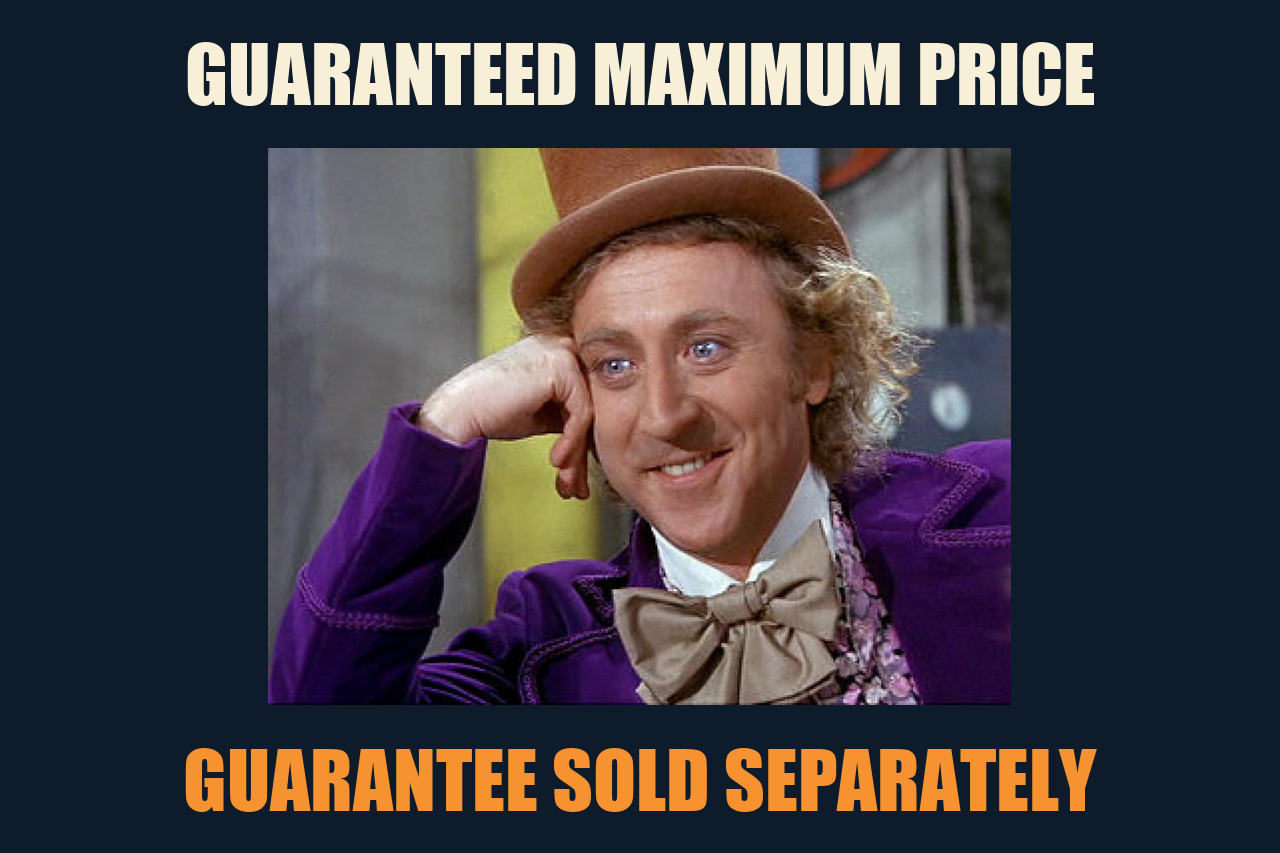
Condescending Wonka meme: GUARANTEED MAXIMUM PRICE / GUARANTEE SOLD SEPARATELY
GUARANTEED MAXIMUM PRICE / GUARANTEE SOLD SEPARATELY

What happened

The OIG found no agreed overall guaranteed maximum price as of July 2026. Without that cap, the construction manager’s 2.95 percent fee could rise with construction costs. GSA announced October 1 that it would serve as project executive.

Why CMCoE cares

Buying individual construction packages before settling the overall maximum left the owner exposed to cost growth the planned contract structure was supposed to constrain.

Regulatory fine print

This is a September audit and October 1 response feature, not a new October 9 award. Individual packages had negotiated prices; staff argued that fixing a maximum with incomplete designs could inflate it. Inflation, design changes and site conditions drove costs. The OIG found no reasonable grounds for a criminal referral or administrative-misconduct finding. The Board agreed with seven recommendations and said it would finish maximum-price negotiations; completion is not verified.

Sources

  1. Federal Reserve OIG — 2026-FMIC-B-016, full report and response (Federal Reserve OIG, )
  2. GSA — project executive announcement (GSA, )

DOJ / Fraud / Fictitious authorities

The secret program was so secret it did not exist.

A former federal employee pleaded guilty October 6 to diverting approximately $194 million using fabricated government authorities.

Ancient Aliens meme: TOP SECRET PROGRAM / SO SECRET IT DIDN'T EXIST
TOP SECRET PROGRAM / SO SECRET IT DIDN'T EXIST

What happened

DOJ says David J. Rush admitted a $193,590,400 loss in a scheme that included a fictitious Special Access Program. About $46 million bought 298 gold bars; roughly $145 million in wire transfers funded luxury real estate, watches and a car.

Why CMCoE cares

Claims of special authority can defeat spending controls when the asserted program is never independently verified.

Regulatory fine print

The guilty plea is an admission, not merely an allegation. This is spending-control and procurement-adjacent fraud, not a finding that a particular competitively awarded contract was corrupt. A CIA internal referral prompted the investigation. Sentencing is scheduled for January 28, 2027; the investigation continues. Agreed forfeiture is not proof the entire loss has been recovered.

Sources

  1. DOJ — former federal employee guilty plea, No. 1:26-cr-185 (U.S. Attorney, Eastern District of Virginia, )
From the acquisition files / Amtrak OIG

Amtrak’s system rejected the invoice twice. An override paid it anyway.

A September 30 report traces an $18,902 invoice through two failed checks and into the wrong project and federal grant.

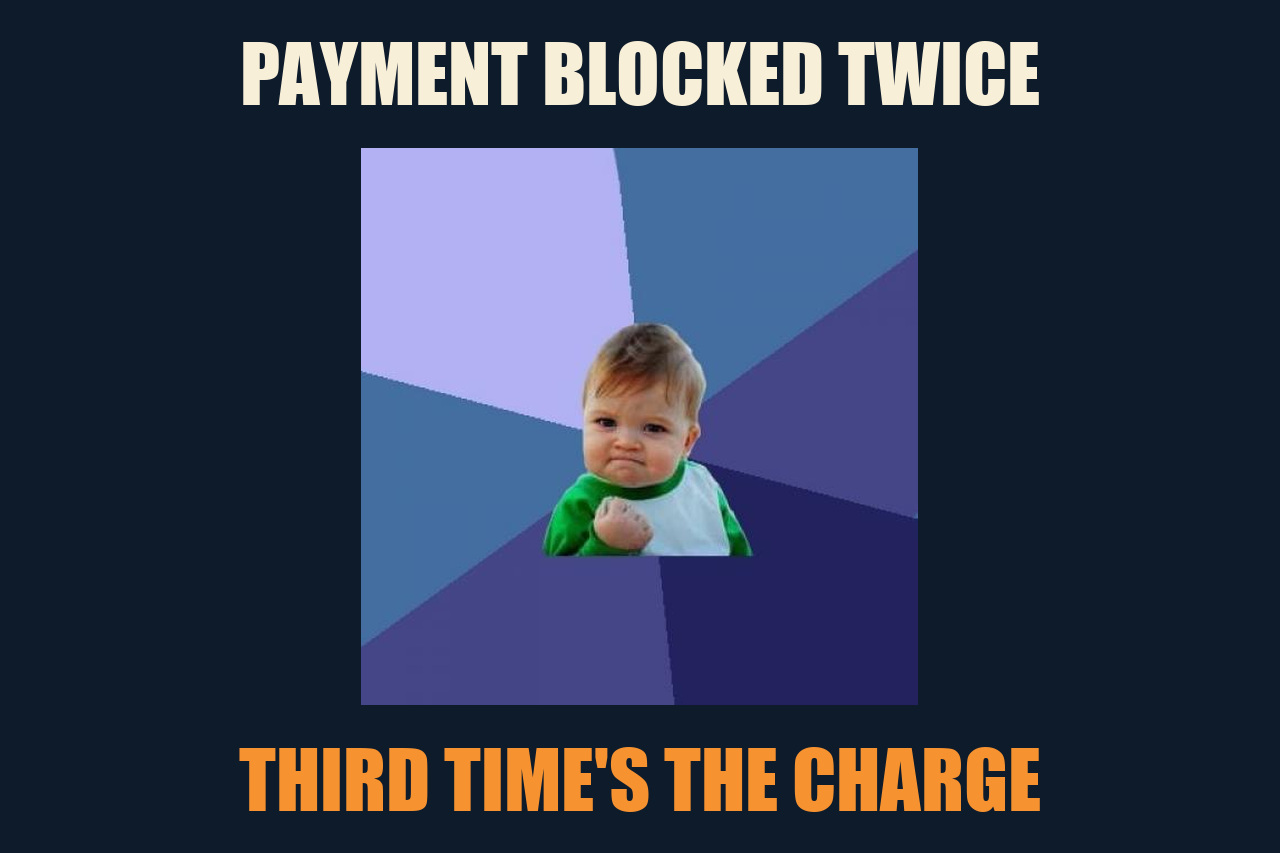
Success Kid meme: PAYMENT BLOCKED TWICE / THIRD TIME'S THE CHARGE
PAYMENT BLOCKED TWICE / THIRD TIME'S THE CHARGE

What happened

The invoice first failed a three-way match because receipt was missing. An employee routed it to an unrelated contract with the same supplier; it failed another check. A manual override bypassed the required contracting officer’s technical representative review and allowed payment.

Why CMCoE cares

Automated procurement controls provide little protection when configuration permits a workaround that also skips the required reviewer.

Regulatory fine print

This is an unfeatured September report, not a new October 9 payment. The supplier issued a credit, the accounting was corrected in August 2026, and OIG found no evidence of fraud. A broader review found two other invoices that bypassed review and used other projects’ funds. Amtrak agreed with both considerations, introduced monitoring and training, and targeted longer-term controls for May 31, 2027. The findings concern Amtrak’s configuration, not every installation of the software.

Sources

  1. Amtrak OIG — OIG-MAR-2026-011, full report (Amtrak OIG, )
From the acquisition files / Architect of the Capitol

Informal waivers approved skipping the formal approval process.

A September 28 audit found 53 purchase-card waivers totaling $220,820.69 that bypassed unauthorized-commitment ratification.

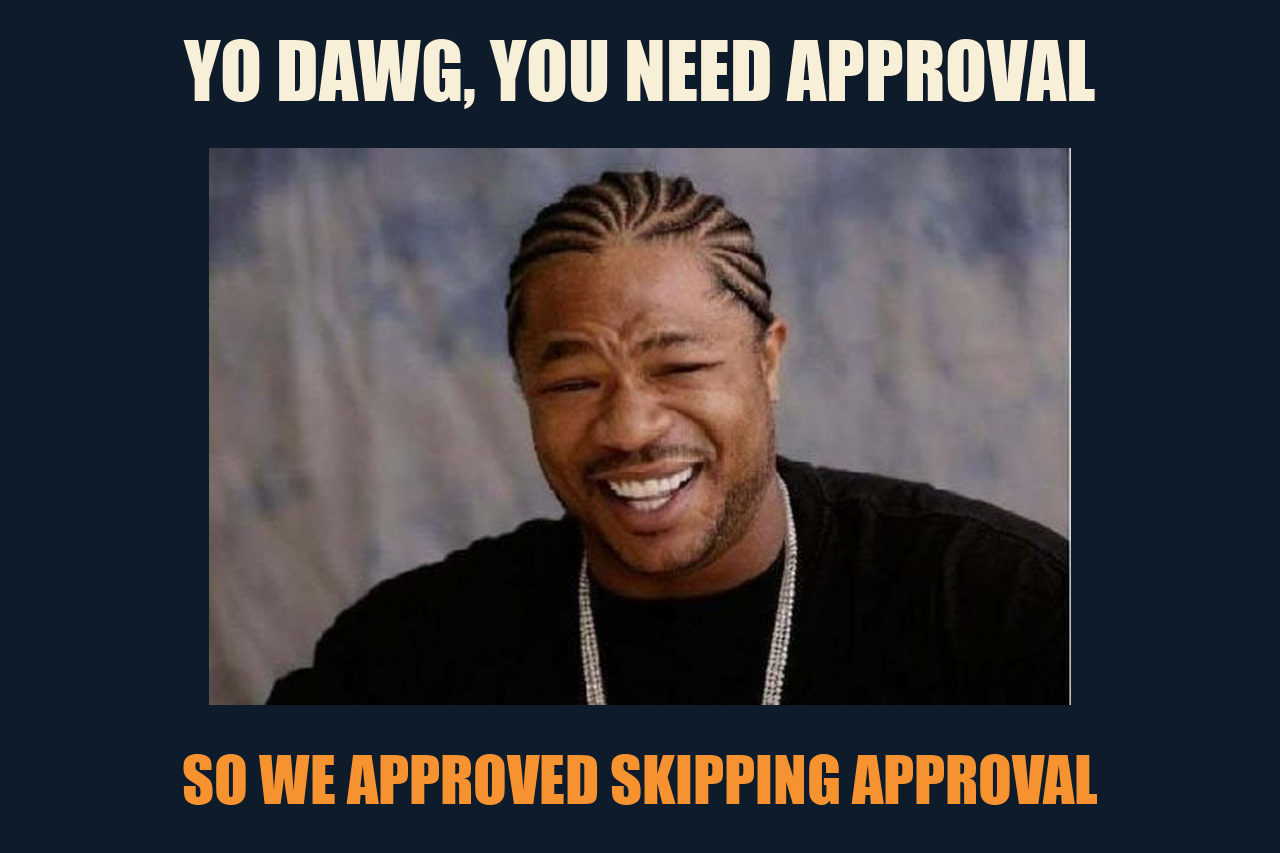
Xzibit Yo Dawg meme: YO DAWG, YOU NEED APPROVAL / SO WE APPROVED SKIPPING APPROVAL
YO DAWG, YOU NEED APPROVAL / SO WE APPROVED SKIPPING APPROVAL

What happened

For waivers issued May 22, 2024 through March 12, 2026, email approvals replaced the formal ratification process. These transactions were excluded from the agency’s unauthorized-commitment population.

Why CMCoE cares

An exception process can conceal the very commitments the formal control is supposed to identify and review.

Regulatory fine print

This is a retrospective audit feature. The waiver population differs from 40 separately identified unauthorized commitments totaling $156,891. Staff cited urgent purchases and a process with nine or more reviews that could take months. The acquisition chief acknowledged a policy misapplication. AOC agreed with all seven recommendations; Oversight.gov still lists them open. Planned policy, system and training changes run through 2027. The standard at issue is AOC’s procurement manual; this is not a claim that FAR directly governs these purchases.

Sources

  1. AOC OIG — Audit of Unauthorized Commitments, OIG-AUD-2026-03 (Architect of the Capitol OIG, )
  2. Current recommendation status (Oversight.gov, )
GSA OIG / Data / Property management

GSA assigned 54 buildings the same coordinates.

An October 5 audit found that GSA’s building-location data compresses an entire campus into shared coordinates.

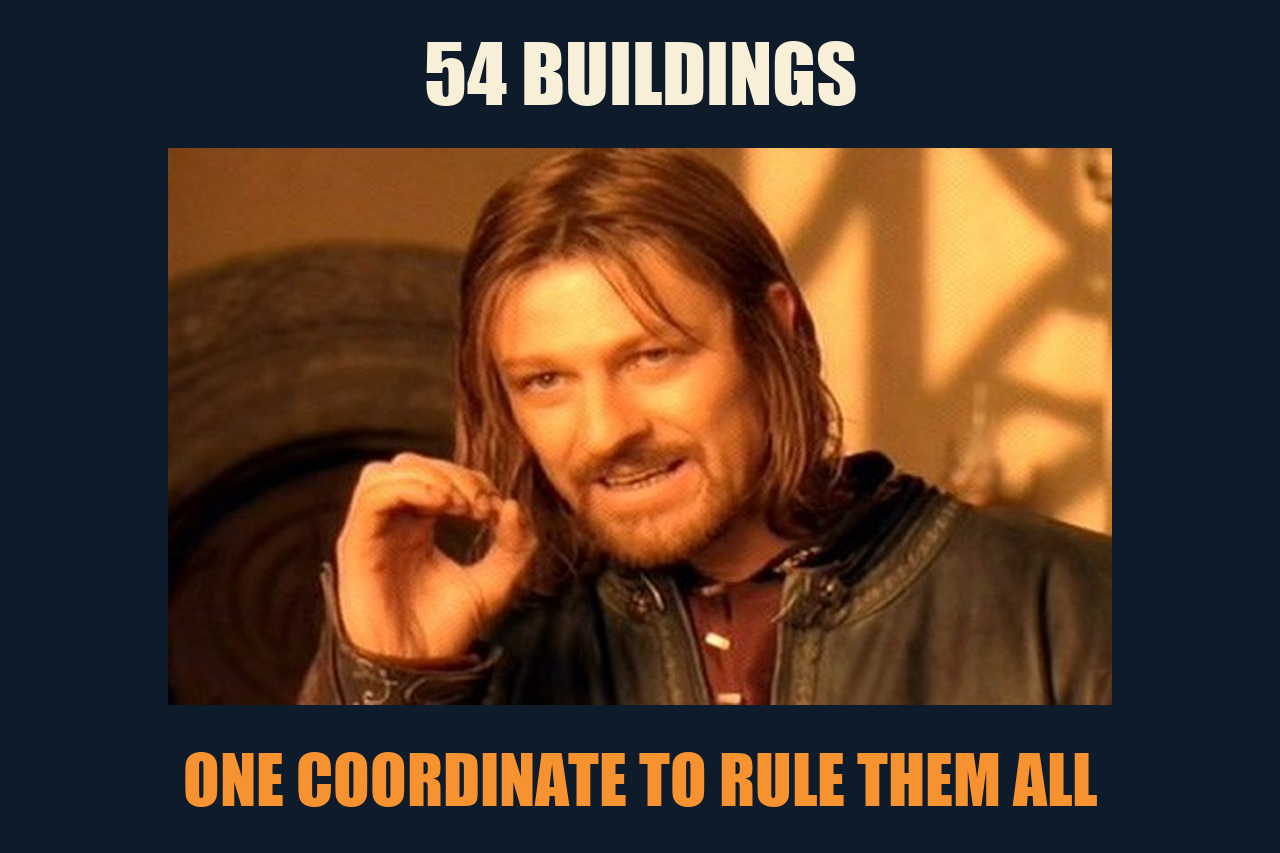
One Does Not Simply meme: 54 BUILDINGS / ONE COORDINATE TO RULE THEM ALL
54 BUILDINGS / ONE COORDINATE TO RULE THEM ALL

What happened

In the March 27, 2026 dataset reviewed, 54 buildings across the 176-acre St. Elizabeths West Campus shared identical latitude and longitude coordinates. The public map displayed only two location markers for the campus. Across the reviewed building dataset, 634 of 8,475 records lacked distinct coordinates.

Why CMCoE cares

Asset-level location data supports property decisions; unclear data limitations and responsibilities also weaken checks before buying additional geospatial data.

Regulatory fine print

No buildings physically disappeared, and this is not a finding of duplicate purchasing or quantified waste. The GIS manager disputed the need for separate building coordinates, arguing campus-level points met reporting requirements. GSA’s CIO agreed with all five recommendations, including cost-benefit analysis of improved accuracy and clearer documentation of limitations. Planned corrections are not verified complete.

Sources

  1. GSA OIG — A260022/I/T/F27001, full report and response (GSA OIG, )
From the acquisition files / AbilityOne / OSC

Pandemic waivers excused compliance failures from before the pandemic.

An August 28 OSC finding, followed by a September 30 OIG summary, documents retroactive pandemic relief for earlier contract-program noncompliance.

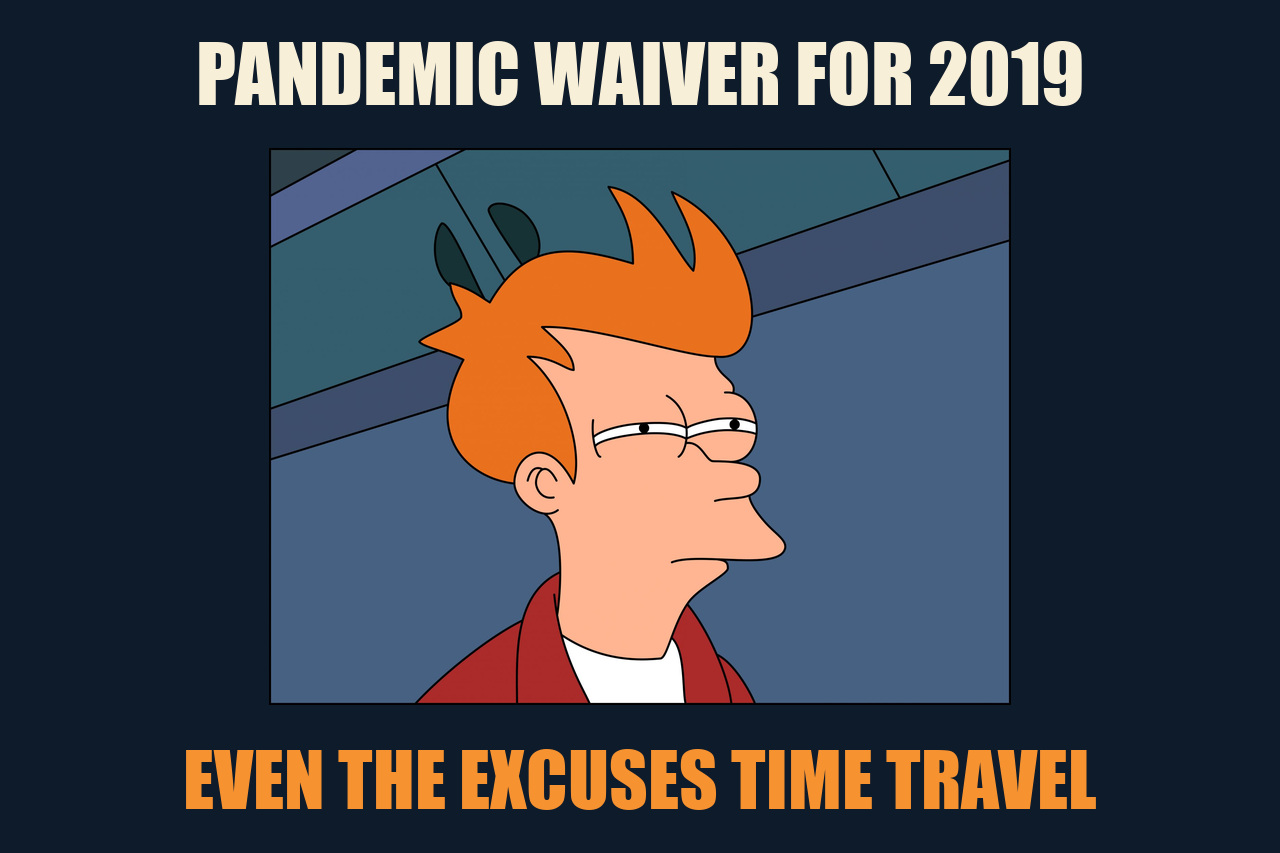
Futurama Fry meme: PANDEMIC WAIVER FOR 2019 / EVEN THE EXCUSES TIME TRAVEL
PANDEMIC WAIVER FOR 2019 / EVEN THE EXCUSES TIME TRAVEL

What happened

The investigation found that AbilityOne used fiscal 2020 pandemic waivers to excuse corrective action for fiscal 2018 and 2019 labor-ratio failures. OSC found the Commission’s broad conclusion that no violations occurred unreasonable in light of its own evidence.

Why CMCoE cares

A procurement program’s eligibility controls lose force when later exceptions are applied backward to earlier failures.

Regulatory fine print

This is a historical feature: the agency response dates to March 2023, with a July 2025 OIG update and August 2026 OSC conclusion. The Commission agreed to document future exceptions prospectively but declined retrospective review, and adopted new enforcement policies in January 2025. OSC closed its matter August 28; closure does not mean every improvement was completed. Some separate allegations were disproved, including the claimed inaccurate 86 percent labor-ratio figure. The joke targets administration, not the workers the program serves.

Sources

  1. OSC — DI-22-000590, letter to the President (U.S. Office of Special Counsel, )
  2. Agency investigation, response and July 2025 updates (AbilityOne / OSC, )
  3. AbilityOne OIG — INV 22-21 summary (AbilityOne OIG, )