Daily acquisition brief // October 27, 2026

CMCoE Meme Intel: Inside Badge Required

A gatekeeper checks badges, assignments lose jurisdiction, a whistleblower gets an exit, and successful startups leave the reporting chat.

4 storiesRSS feed
Army / Software access

Gatekeeper welcomes outside innovators. Bring a government badge.

The Army launched a commercial software gateway with common access cards first and public login promised next.
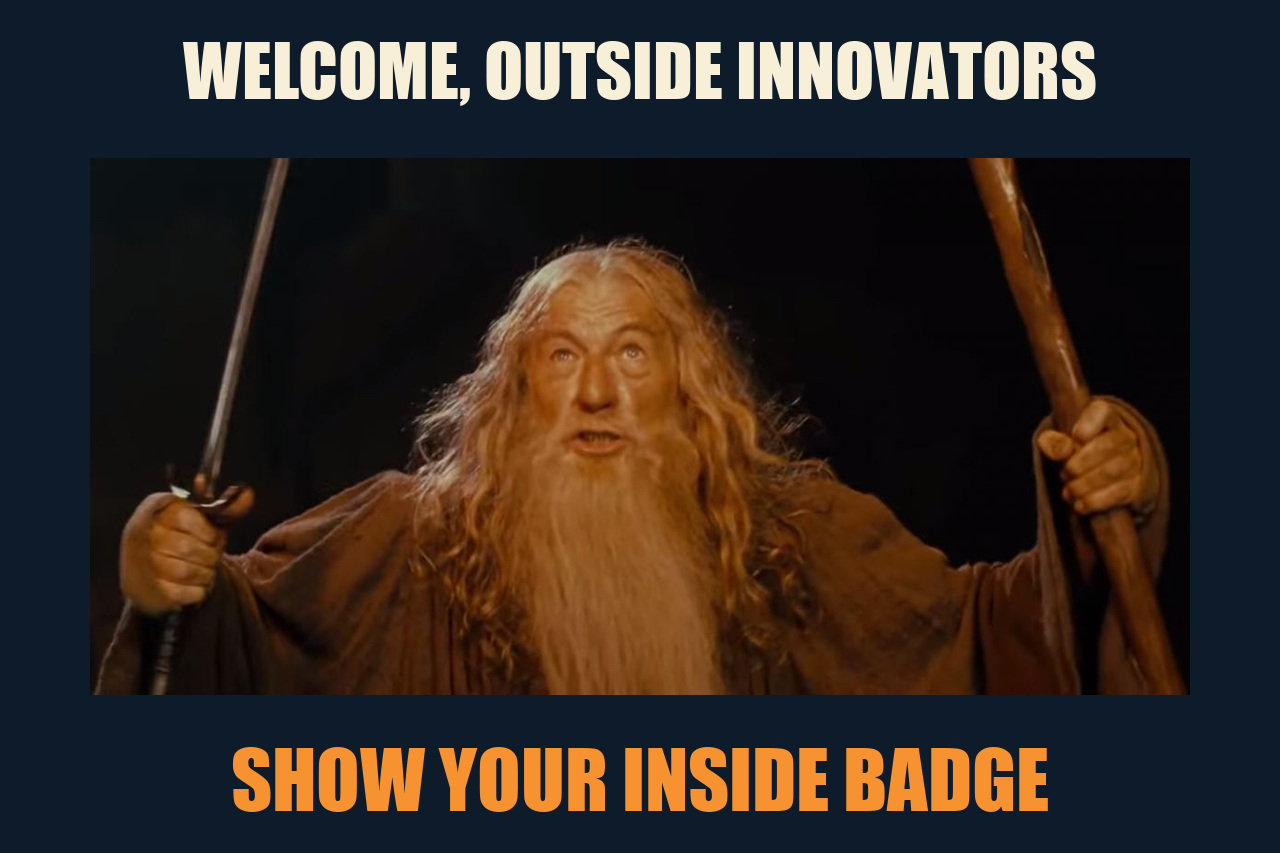
Gandalf: You Shall Not Pass meme: WELCOME, OUTSIDE INNOVATORS / SHOW YOUR INSIDE BADGE
WELCOME, OUTSIDE INNOVATORS / SHOW YOUR INSIDE BADGE

What happened

The Army launched Project Gatekeeper on October 23, 2026. Its October 25 announcement describes automated software prescreening designed to reduce evaluation cycles from months to minutes.

The same announcement says access is available to vendors with a Department of War common access card. Public access through Login.gov is promised soon.

Why CMCoE cares

A gateway intended to reduce entry barriers initially serves vendors who already have the government credential.

Regulatory fine print

This describes the access limitation in the October 25 launch announcement, not a claim that Login.gov will never arrive. Automated scans support authorizing officials; they are not an automatic authority to operate or a contract award. The public portal notice was inspected, but no authenticated access was tested. The announced speed improvement is an Army claim, not an independent performance measurement.

Sources

  1. Army launch announcement, October 25 (U.S. Army, )
Court / Contract financing

The payment rights got passed around. The lawsuit could not pass jurisdiction.

Telos sought $9.35 million over software options; the court stopped at the assignment chain.

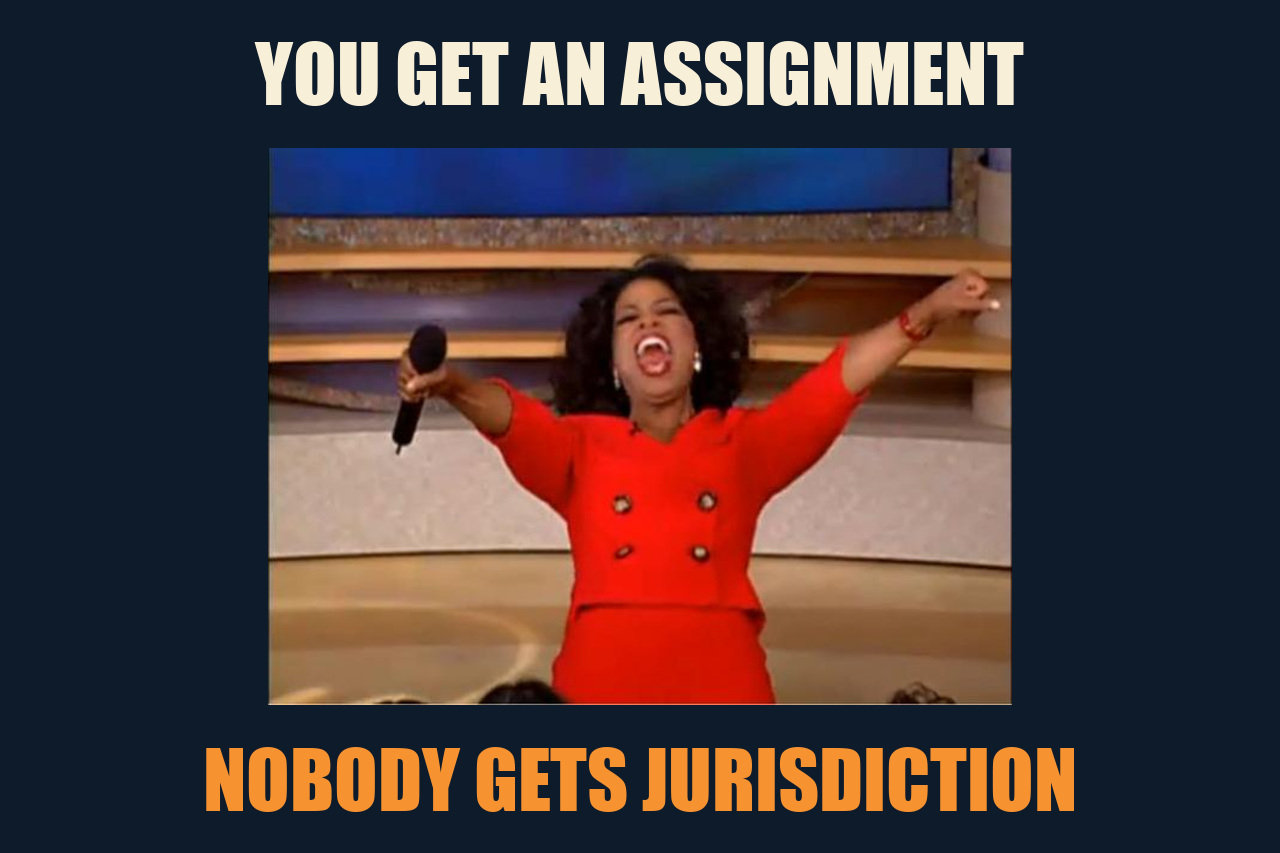
Oprah You Get a Car meme: YOU GET AN ASSIGNMENT / NOBODY GETS JURISDICTION
YOU GET AN ASSIGNMENT / NOBODY GETS JURISDICTION

What happened

In an October 23, 2026 opinion, the Court of Federal Claims dismissed Telos Corporation's pass-through claim for Bank Financial over an Air Force UiPath software delivery order.

The court found that assignments through ePlus and Bank Financial failed the statutory assignment requirements. Notice of a separate assignment to Wilmington Trust did not cure that chain.

Why CMCoE cares

Financing arrangements can decide whether a contract claim reaches the merits at all.

Regulatory fine print

The court held that the defective assignments annulled the order as far as the government was concerned and dismissed for lack of jurisdiction. It also rejected Telos's alternative standing theory. It did not decide whether the Air Force owed the disputed option payments or reach the Anti-Deficiency Act argument. The background comes from the complaint and exhibits, not trial findings; no fraud finding was made. The ruling is distinct from yesterday's Seneca case about an omitted contract addendum.

Sources

  1. Telos Corporation v. United States, No. 25-2191, October 23 opinion (U.S. Court of Federal Claims, )
HHS OIG / Contractor accountability

The employee raised safety concerns. Management ended the employment.

HHS OIG substantiated retaliation against an Indian Health Service contractor employee.

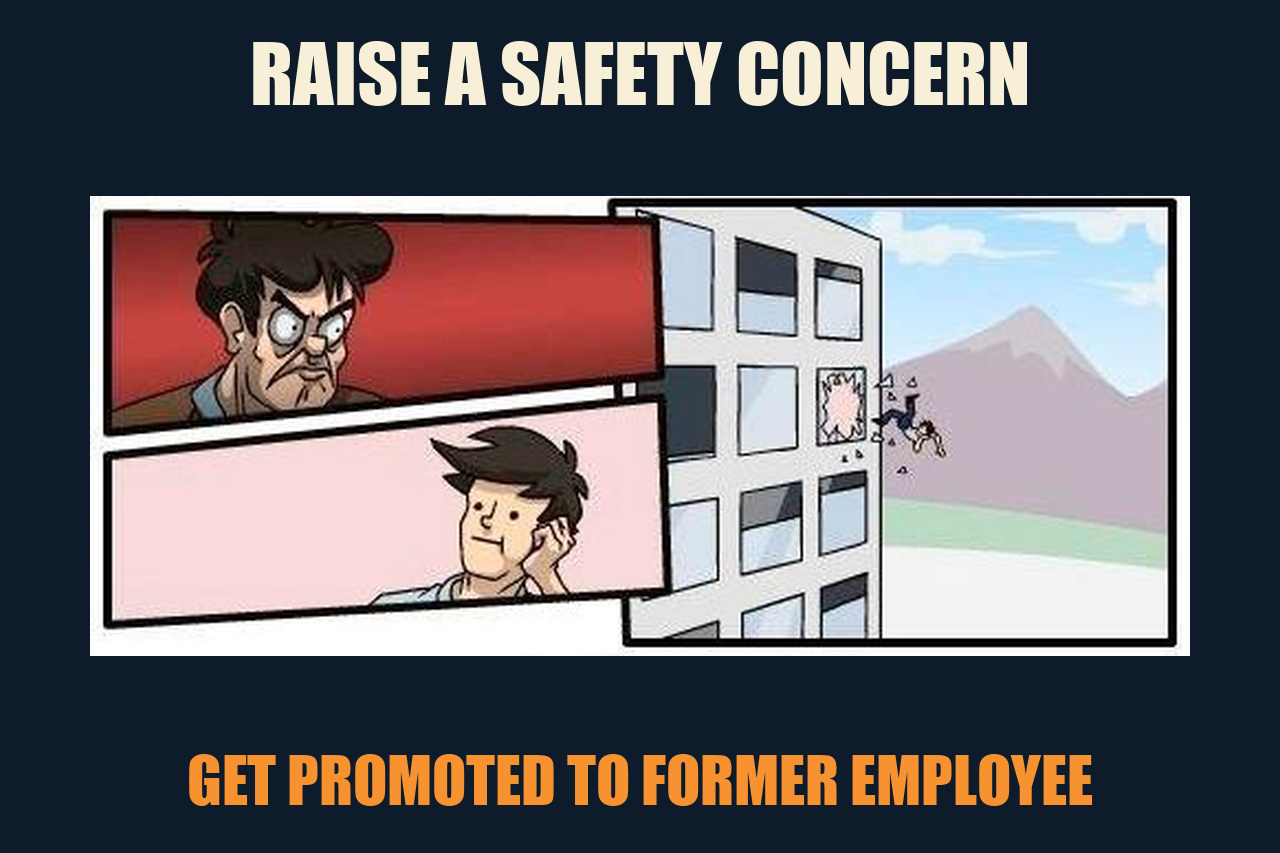
Boardroom Meeting Suggestion meme: RAISE A SAFETY CONCERN / GET PROMOTED TO FORMER EMPLOYEE
RAISE A SAFETY CONCERN / GET PROMOTED TO FORMER EMPLOYEE

What happened

HHS OIG's public summary, posted October 21, 2026, describes a contractor employee who reported licensing deficiencies and patient-safety concerns to management before being terminated.

Investigators found that the disclosures were protected and that the termination was retaliatory. The investigative report went to HHS with recommendations for appropriate action.

Why CMCoE cares

Contractor oversight depends on employees being able to surface problems without losing their jobs for doing so.

Regulatory fine print

The public summary does not name the contractor, date the underlying events, publish management's response or disclose a final remedy. It substantiates retaliatory termination; it does not independently establish every underlying licensing or patient-safety allegation. The cartoon targets the management response, not the employee or patients.

Sources

  1. HHS OIG retaliation finding, full public summary (HHS Office of Inspector General, )
  2. Official posting-date index (HHS Office of Inspector General, )
From the acquisition files / Small business R&D

The biggest success stories can outgrow the reporting system.

SBIR and STTR reporting loses visibility when companies stop coming back for more awards.

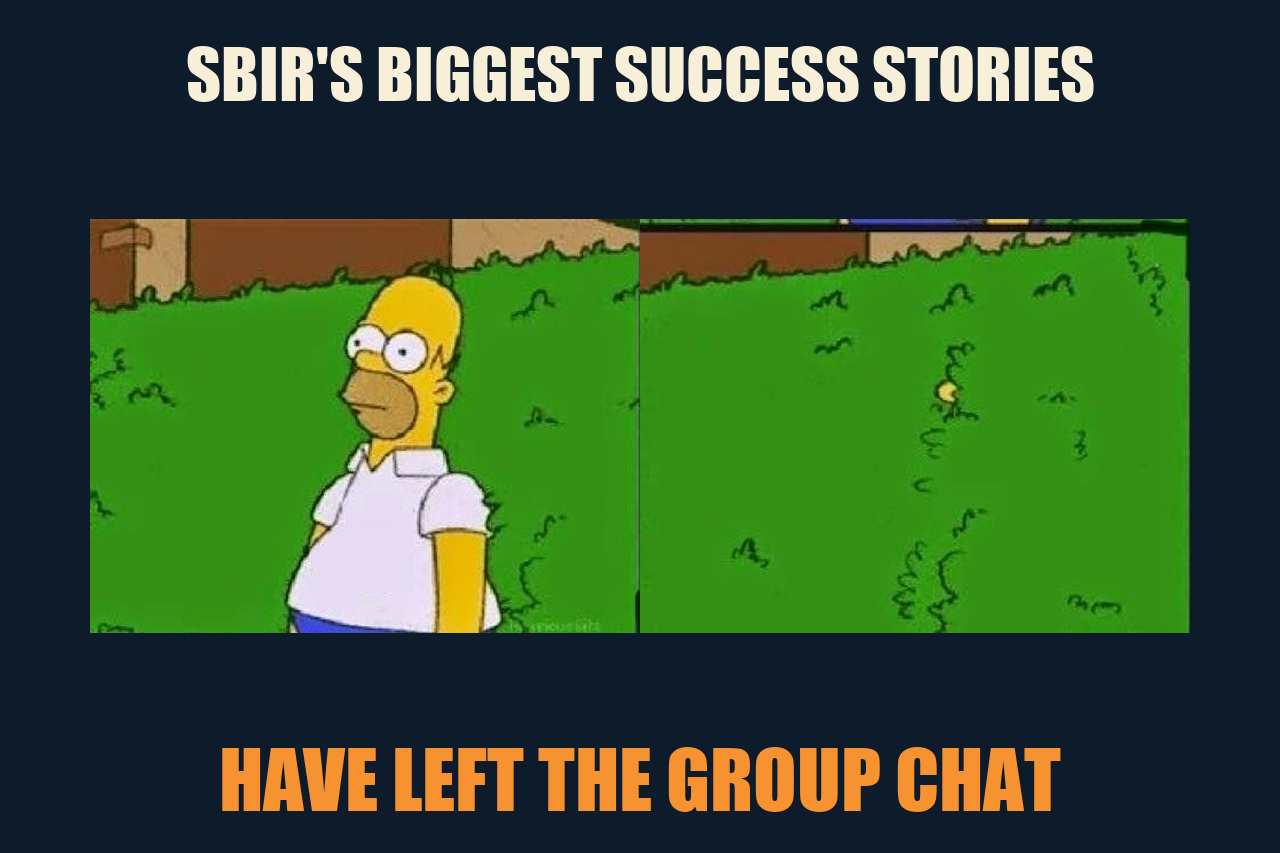
Homer Simpson Backs Into Bushes meme: SBIR'S BIGGEST SUCCESS STORIES / HAVE LEFT THE GROUP CHAT
SBIR'S BIGGEST SUCCESS STORIES / HAVE LEFT THE GROUP CHAT

What happened

GAO's September 29, 2026 report found required commercialization reports for only 25 percent of completed Phase II awards in its FY2019-2024 review. Reporting compliance was about 40 percent for prior awards when firms applied again.

Reporting triggers center on completing Phase II and submitting another Phase II proposal. SBA told GAO that firms that stop seeking awards, including those that grow beyond eligibility, have little incentive to keep reporting later success.

Why CMCoE cares

A program designed to help firms grow cannot reliably compare outcomes if its successful graduates fade from view.

Regulatory fine print

Missing reports do not mean failed projects, and some agencies use other tracking tools. SBA also needs validation of self-reported data. The agencies agreed with GAO's 14 recommendations; all remain listed open on October 27, which does not prove no corrective work has begun. This is a previously unfeatured September report, rechecked today, not a new October finding. SBIR/STTR awards include grants and other instruments as well as procurement contracts.

Sources

  1. GAO-26-108750, full report and agency responses (U.S. Government Accountability Office, )
  2. GAO report and current recommendation status (U.S. Government Accountability Office, )